
















How the Federal Reserve Works And Why it Matters for Real Estate


What the Federal Reserve Is and What It Does
The Federal Reserve (often called the Fed) is the central bank of the United States. Its job isn’t to run banks. It’s to oversee the nation’s monetary policy with the goals of stable prices and maximum employment. This “dual mandate” was given to the Fed by Congress.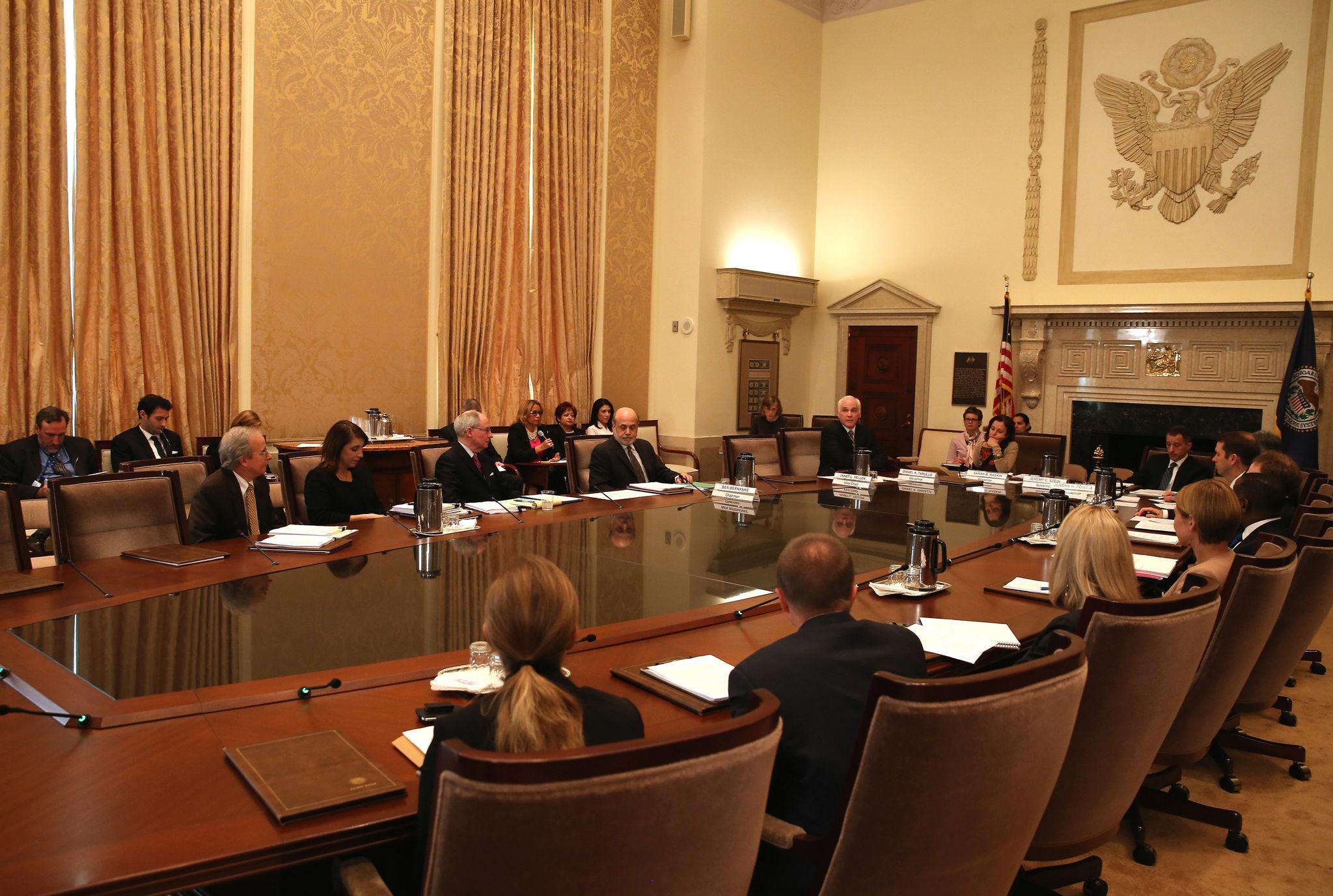
At the heart of the Fed’s policy decisions is the Federal Open Market Committee (FOMC) a group that includes the Fed Chair, the vice chair, and several governors of the Federal Reserve Board, along with presidents of regional Federal Reserve Banks. The FOMC meets about eight times per year to decide whether to raise, lower, or hold steady the federal funds rate a key benchmark interest rate.
How the Fed Sets Interest Rates
The FOMC doesn’t directly set mortgage rates, but the federal funds rate influences them. When the Fed raises its target for the federal funds rate, borrowing costs throughout the economy go up. When it lowers the rate, borrowing becomes cheaper. Banks typically adjust their rates on mortgages, auto loans, and business loans based on the central bank’s benchmark.
- Here’s the chain reaction in simple terms:
- The Fed changes the federal funds rate target.
- This influences how much it costs banks to borrow money.
- Banks pass those changes on in part to borrowers.
- Mortgage rates rise or fall in response.
- That, in turn, affects housing affordability, buyer demand, and overall real estate activity.
Why Interest Rates Matter for Real Estate
Real estate is highly sensitive to borrowing costs because most home purchases depend on mortgage financing. Lower interest rates make monthly mortgage payments smaller and can increase demand for homes — often pushing prices up. Higher rates increase the cost of financing, which can reduce demand and slow price growth.
For example:
- When the Fed cuts rates, banks often follow, leading to lower mortgage rates, more buyers qualified for loans, and stronger housing demand.
- Conversely, when the Fed raises rates, mortgage rates typically trend upward, reducing affordability and slowing home sales.
Who Decides Fed Policy? How Decisions Are Made
The FOMC makes monetary policy decisions through discussion and voting among its members. Each member weighs data on inflation, employment, economic growth, and financial markets before deciding whether policy should tighten, ease, or stay the same.
Here’s how it works in practice:
- Board of Governors: Seven members, including the Fed Chair and vice chair, are nominated by the President of the United States and confirmed by the Senate.
- Regional Fed Presidents: Five of the 12 Federal Reserve Bank presidents vote on monetary policy each year on a rotating basis.
- Majority Vote: At each FOMC meeting, a majority vote determines the target range for the federal funds rate and other key policy measures.
This structure is designed to be independent from short-term political pressures. Once appointed and confirmed, governors serve long terms so that policy decisions focus on economic conditions rather than political cycles.
The New Fed Chair Nominee: What It Could Mean
In early 2026, President Donald Trump nominated Kevin Warsh to be the next Chair of the Federal Reserve after Jerome Powell’s term expires in May.
Who Is Kevin Warsh?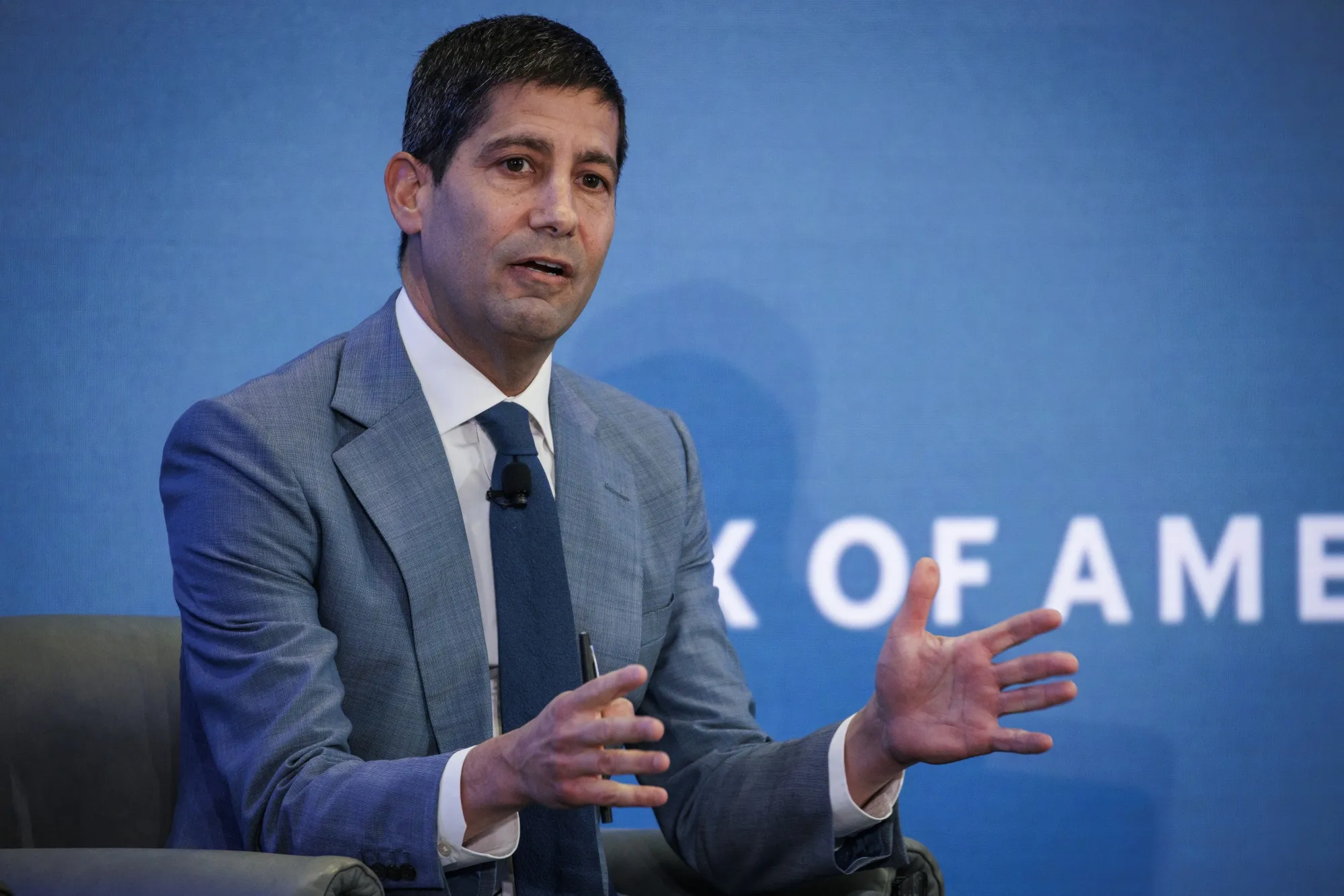
Kevin Warsh previously served as a Federal Reserve governor from 2006 to 2011. He has been described as experienced in markets and monetary policy, and he has publicly favored a more forward-looking approach to rate decisions.
What His Nomination Signals
President Trump has indicated he wants a Fed chair who would be willing to consider lower interest rates particularly to reduce mortgage costs and support the housing market.
However, Fed governors don’t act alone:
Even if Warsh is confirmed, he will still need support from his colleagues on the Board of Governors and the rotating regional bank presidents to enact major policy changes.
Close attention to employment, inflation, and financial conditions will still shape decisions.
Market Reaction and Debate
Markets have reacted to the nomination with debate over future rate policy. Some analysts argue Warsh’s views could differ from both the Trump administration and current Fed practice, making his impact on long-term mortgage rates uncertain.
Conclusion
The Federal Reserve might seem distant from everyday life but its decisions ripple through the economy and directly shape real estate markets, mortgage rates, and household borrowing costs. Interest rate policy affects how expensive it is to buy a home, how active the housing market will be, and ultimately how much families pay each month on their mortgages.
With the nomination of a new Fed Chair like Kevin Warsh, markets and consumers alike are watching closely. A new leader can influence not only rate decisions but also how the Fed communicates its outlook and an important factor in shaping expectations for real estate and economic activity in the months and years ahead.