







who is going to buy all babyboomer house


Who Is Going to Buy All the Baby Boomer Houses? A Los Angeles County Housing Crisis
A demographic earthquake is rumbling beneath the palm-lined streets of Los Angeles County, and few are prepared for the aftershocks. As the Baby Boomer generation, those born between 1946 and 1964, moves through their seventies and into their eighties, a question looms over the region's already strained housing market: who will buy their homes? The answer, increasingly, appears to be no one, at least not anytime soon. What emerges is not a simple transfer of wealth from one generation to the next, but a complex crisis of inventory, affordability, and generational inequality that threatens to reshape Los Angeles for decades to come.
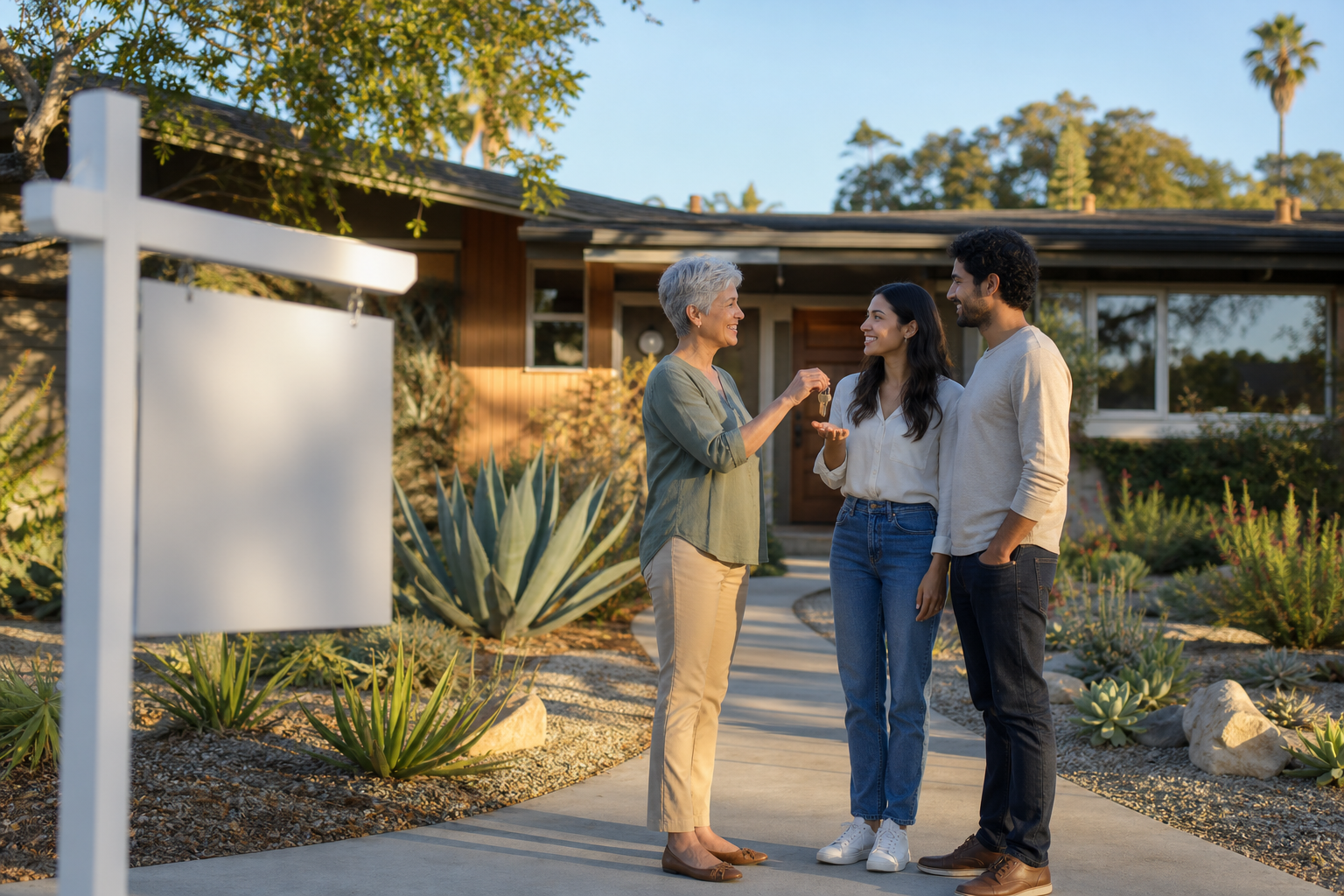
The numbers tell a striking story of generational dominance. As of early 2024, Baby Boomers account for 38.7% of homeowners in the Los Angeles-Long Beach-Anaheim metropolitan area, making it the sixth most Baby Boomer-dominated housing market among large U.S. metro areas, according to U.S. Census Bureau data analyzed by Construction Coverage. This is particularly notable given that Boomers represent only 18.9% of the metro's total population. The concentration is even more pronounced when examining family-sized homes: 23.7% of three-bedroom homes in the region are owned by adults aged 58 to 76 with no children present, empty nesters holding onto properties that younger families desperately need.
The math simply does not work in favor of market fluidity. A 2024 survey indicated that 78% of Americans over 60 intend to stay in their current homes, a phenomenon known as "aging in place." This preference is creating a severe bottleneck in housing turnover at precisely the moment when demand should be accelerating. Compounding this issue, Los Angeles County's population aged 65 and older is projected to surge from 1.44 million in 2020 to more than 2.32 million by 2040, a 61% increase, according to Los Angeles County government projections. By 2040, nearly a quarter of Californians will be 65 or older, up from 14% in 2020. The population aged 85 and older is expected to more than double. Yet only about 5% of older adults currently reside in nursing homes, with even the oldest seniors showing strong preference for alternatives to institutional settings.
For younger buyers hoping to enter the market, the barriers have become nearly insurmountable. The median sale price for homes in Los Angeles County hit $900,000 in April 2024, an 8.7% increase from the previous year, according to Redfin data. By May 2024, prices reached $907,000. This represents roughly ten times the median household income for the region, a ratio that places homeownership firmly out of reach for most working families. The homeownership rate for millennials (ages 25-44) in the Los Angeles metro area was only about 30% in 2024, significantly lower than the national average of 51.6% for this age group. Gen Z fares even worse, with only about 26.1% owning homes nationally and Los Angeles ranking 97th out of 102 cities in affordability for this generation.
Multiple structural forces are locking Boomers in place and younger buyers out. California's Proposition 13, passed in 1978, caps property tax rates at 1% of assessed value at time of sale and limits annual increases to 2%, creating a powerful financial incentive to never sell. Long-term homeowners pay dramatically lower property taxes than they would on comparable properties purchased today. This "lock-in effect" is compounded by mortgage rate dynamics, many existing homeowners hold fixed rates well below current market levels, making any move financially punitive. Add in capital gains concerns, "Mansion taxes," and Southern California's desirable climate, and the motivation to relocate evaporates entirely.
The supply side offers little relief. Seventy-two percent of Los Angeles is zoned for single-family use, limiting density, while the average time to build a housing development in the city is 18 months compared to four to six months nationally. Construction has been slow to recover since 2008, hampered by regulations, lengthy permitting, and high material costs. Even with recent population decline, prices remain elevated due to persistent undersupply.
What outcomes can we expect? Several scenarios seem plausible, none particularly promising for housing affordability. A gradual "silver tsunami" of homes could eventually hit the market as Boomers pass away or finally move to assisted living, but this transition may take decades and occur too late for current younger buyers. Alternatively, homes may transfer to heirs who rent them out rather than sell, converting owner-occupied housing into rental stock and further concentrating wealth. A more troubling possibility involves widespread reverse mortgages or financial distress among fixed-income seniors, leading to distressed sales and potential displacement.
Solutions will require coordinated action across multiple policy areas. Reforming Proposition 13 to reduce its lock-in effect, perhaps through expanded portability of tax benefits or targeted relief for long-term homeowners who downsize, could unlock inventory without forcing seniors from their homes. Accelerating permitting and reducing construction costs could expand supply, though this faces entrenched political opposition. Expanding accessory dwelling units and transit-oriented development offers partial relief. Most critically, the region must confront the reality that its housing market has become a mechanism for generational wealth extraction rather than a functional system for sheltering its population.
The Baby Boomer housing question is not merely about real estate transactions. It is about whether Los Angeles can remain a place where working people of all ages can build lives, raise families, and age with dignity. Without intervention, the answer appears increasingly negative. The homes exist. The buyers exist. The mechanisms to connect them, however, have broken down, and repairing them will require confronting uncomfortable truths about taxation, zoning, and generational equity that policymakers have long avoided. The clock is ticking, and for millions of younger Angelenos, time is running out.